Sumiro
A playable 3D samurai game shipped in 24 hours by one developer with six AI tools — the article behind it breaks the 24 hours into six steps, two preconditions and two places you will get stuck copying it.

- build time
- 24 hours (developer's claim)
- tools
- 6 — Opus 5.5 · Flux 3 Max · GPT Image · Tripo · Blender · Three.js
- author
- Shikhar (@xikhar) · third AI-built game
- platform
- Web browser · free to play
- playtime
- 30–40 minutes
- launch
- 2.6M views in two days
- inspiration
- Video2Game by OdinLovis
- published
- 2026-11-11
- updated
- 2026-11-11
Contents6 sections · 0 items
The game
On November 4, 2026, developer Shikhar released Sumiro — an ink-wash samurai adventure that runs in the browser for free. A wanderer in a straw hat crosses misty cliffs, torii gates and stone stairways; climbing, riding lifts, working through chapters, with a 30–40 minute playtime. The launch thread passed 2.6 million views in two days.

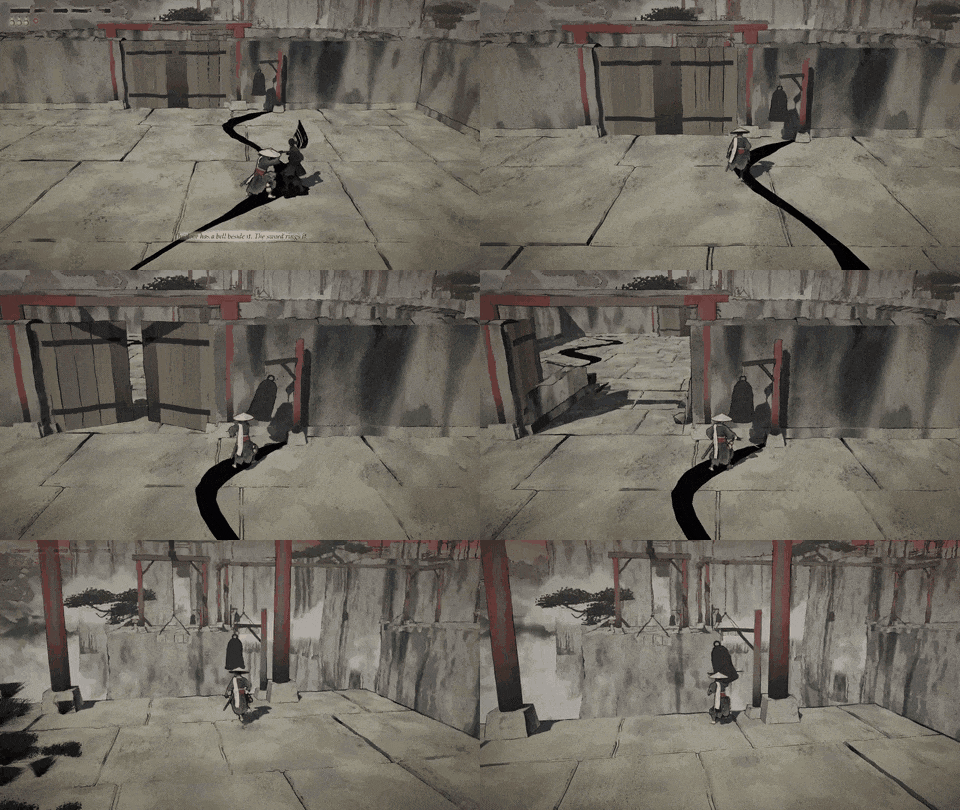
His own line was: "Anyone can make games now." The Chinese write-up we're drawing from spends its length on what that line leaves out — the actual 24 hours, and the conditions behind them.
How the 24 hours were laid out
Six steps, six off-the-shelf tools (Opus 5.5, Flux 3 Max, GPT Image, Tripo, Blender, Three.js). Each step feeds the next:
- Start with a video, not code. Flux 3 Max generates a short reference clip — this video is the project's art bible. World, character, palette, camera: everything later derives from it, following OdinLovis's Video2Game approach.

- Break the video into scenes. Screenshots become assets rebuilt in Blender and placed into Three.js. The easy-to-miss detail: dynamic workflows inside Claude Code, with multiple agents building and checking each other in parallel — "a group of agents working separately, verifying each other," not one agent end to end.

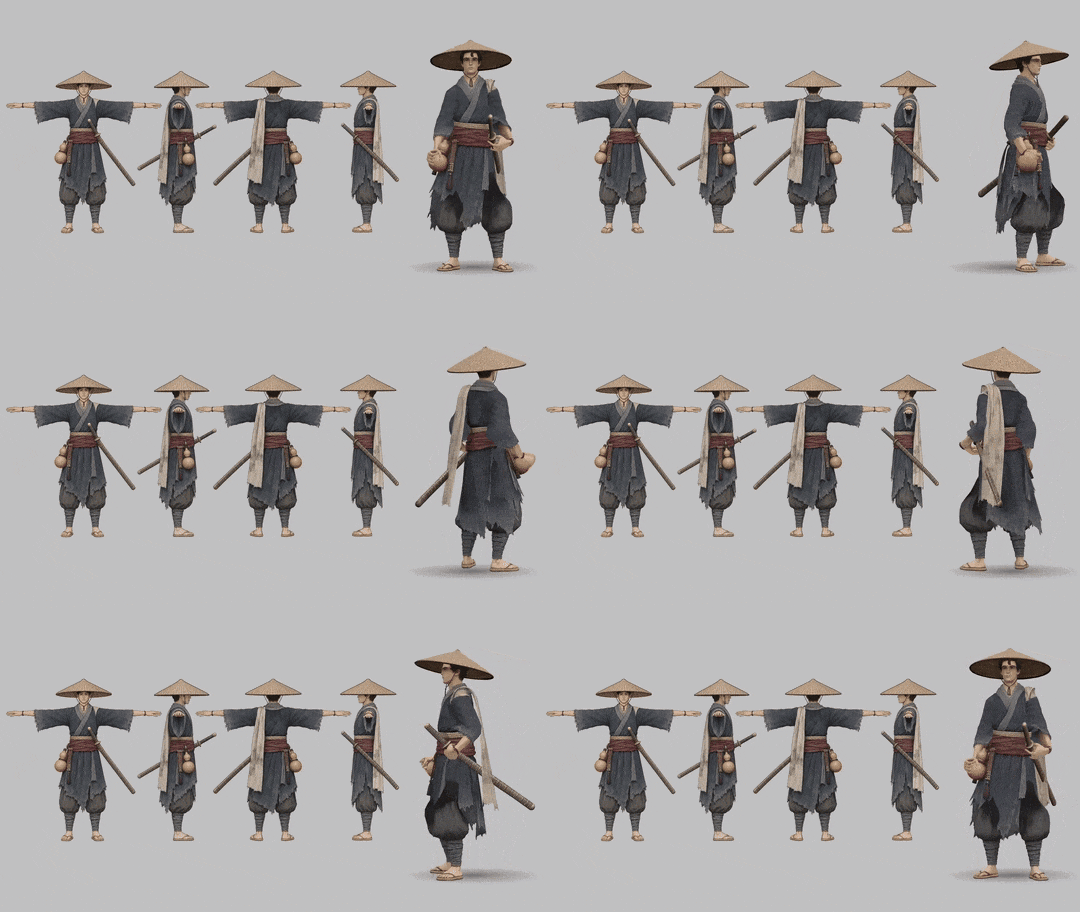
- Build the character. Four side views generated with GPT Image from a screenshot, Tripo turns them into a 3D model, Opus adds cloth physics and animation.
- Play it first. The whole step is one sentence: play the prototype before adding more, confirm it actually runs. The only move in the pipeline that runs against AI instinct.
- Let agents fill the levels. GPT Image generates concept art for each level in the locked art style, up to eight images per level; each concept becomes one playable 3D level.

- Loop. Play, report bugs, let agents fix, play again.

What the hype line leaves out
The article insists on two preconditions before repeating "anyone can make games now":
24 hours is a third-game number, not a first-game number. Before Sumiro, Shikhar had already shipped Spiderbench (a browser Spider-Man game — that one took three days plus a 5x Claude subscription) and Walden, a katana duel he calls his first prototype. The hard-won lessons — aligning Blender assets with Three.js, keeping parallel agents from fighting, cloth physics not clipping — were all paid before this 24-hour clock started.
Two parts the pipeline doesn't cover.
Music is the one unsolved part: models can't hear, so a separate music-generation toolchain is required — the seventh step outside the six.
The other gap is controls: the demo video looks stiff because it was agent-operated and script-recorded. A human hands-on plays much better — but that isn't the part the 24 hours produced.
The two places copying it actually breaks
- Judging the reference video. Anyone can open the tools. The hard part is knowing whether the video is good enough — whether the style can carry a level, whether the character's silhouette is readable, whether the palette turns muddy in 3D. Pick wrong here and the other five steps are wasted.
- Step 4 is human-only. AI never tires of adding more — assets, concept art, levels. But playing the prototype before continuing is a judgment only a person can make; the author made it its own step because he had paid for skipping it.
Verdict
Read it as a compression story, not a democratization one. The scary number is real — 24 hours, six tools, one playable game — but it belongs to someone who had already built two games and stepped in every pit first. The tools raise the floor very high; the ceiling stays with whoever keeps practicing. Of the six steps, step 1's judgment is the one that can't be copied; the rest can be followed as written.
Attribution
Case assembled from the 挥码天涯 (大黑猫) Chinese write-up "用 AI 做游戏的完整流程", Shikhar's own launch thread, and third-party coverage. The 24-hour figure is the developer's own claim, echoed (not independently verified) by AIGamer and other outlets.
Images in this case come from the breakdown article and Shikhar's launch thread; copyright stays with the original publishers.
Sources
- [1]用 AI 做游戏的完整流程挥码天涯(大黑猫) · 2026-11-11
- [2]
- [3]Play Sumiro in the browserxikhar.github.io
- [4]Sumiro — AIGamer write-upAIGamer · 2026-11-06
Related cases
- → Page RageExperiment
- → Pokémon Battle DemoExperiment
- → Rooftop ChatExperiment